

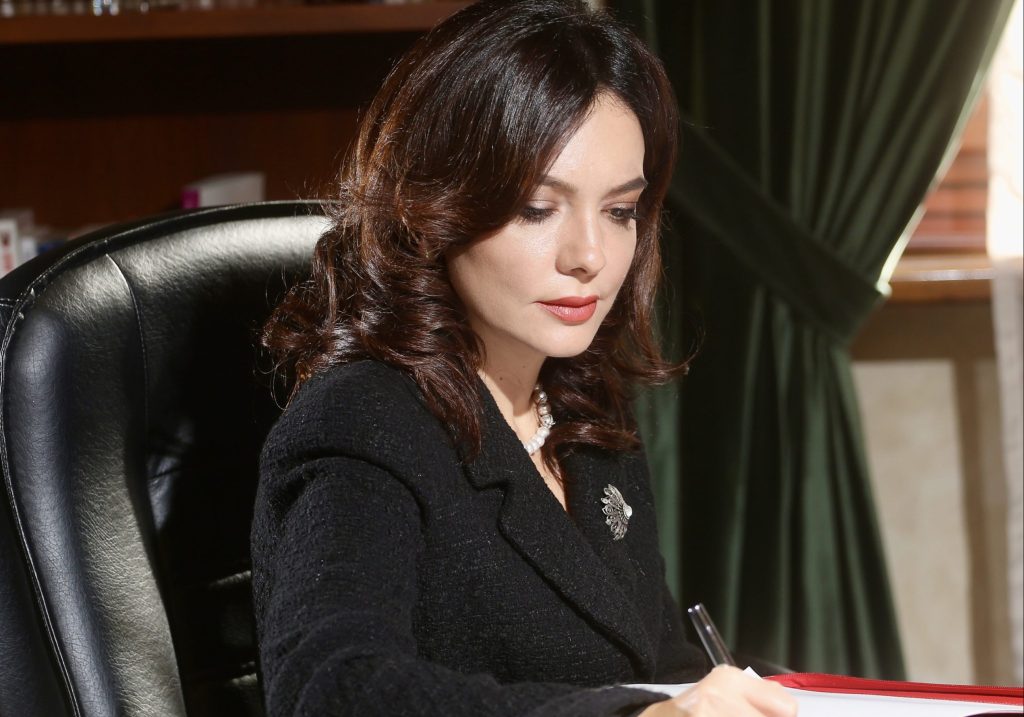


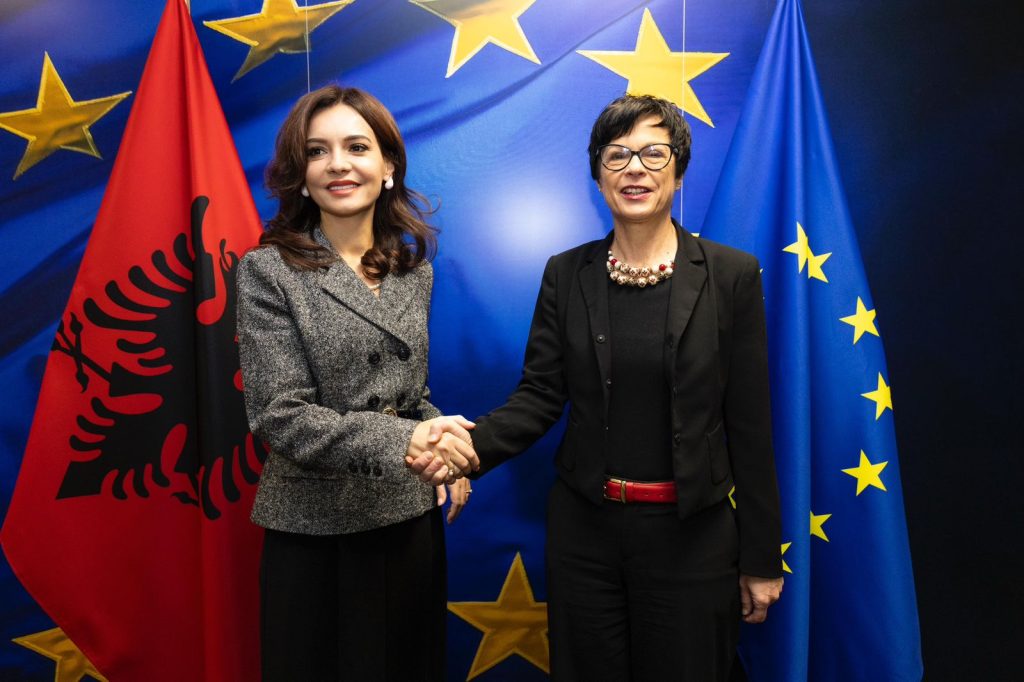
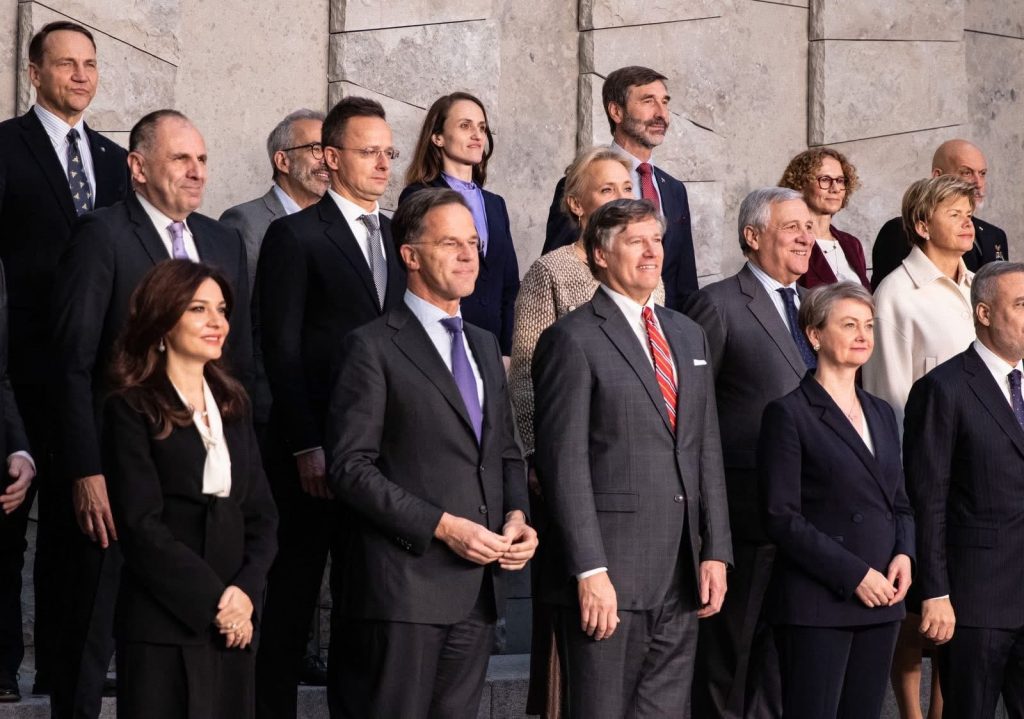
To strengthen relations between Greece and Albania, which can be expanded into strategic areas, as she points out, the new Minister of Europe and Foreign Affairs of Albania, Elisa Spiropali, is coming to Athens next Tuesday. In view of her first meeting with Giorgos Gerapetritis, she opens up to “NEA Weekend”, stating that she is willing to discuss “about everything” with the Greek Foreign Minister.
How important do you think is the country’s accession to the European family both for Albania and the EU, given the broader unstable geopolitical landscape, and how close are you to your national goal?
Two hundred years ago, when the founding fathers of the modern Greek state proclaimed their independence, on our side of the border, our own forefathers, moved by the same longing for freedom, wrote that “the sun of the Albanians rises in the West”. This was not merely an inspirational quote. It was a historical vocation, a compass that has guided us through centuries. And today, that vocation is stronger than ever. So strong, in fact, that EU Barometer shows up to 93% support for Albania’s European integration, an almost unmatched consensus anywhere in Europe. For Albania, integration is also a practical necessity. Since accession talks began in October 2024, we opened all 33 chapters in just 13 months, an achievement that shows both readiness and ambition. Of course, opening chapters is one thing, closing them another. The challenge now is to deliver tangible results in areas like media freedom, anti corruption and fundamental rights. Still, the EU’s 2025 Progress Report confirms Albania as one of the most advanced Western Balkan countries in aligning with EU standards and recognizes our ambition to close all chapters by 2027. I believe that integration, it will be beneficial to all parties involved. And, in my humble opinion, I also believe it will be a win for Greece. It is in the best interest of Greece and Greek citizens to have a wider European space at their border, where to interact, engage, cooperate and grow. To have a stronger, European partner at the border. For the moment, Bulgaria is the only EU neighbor or Greece. Creating a secondary corridor of trade, energy, transport and digital connectivity that stretches from Greece through Albania, Montenegro, Croatia and further into the heart of Europe would bring additional benefits to all of our countries, Greece involved.
Are there areas regarding Albania’s accession process in which Greece could help, in view of its EU presidency in the second half of 2027?
We do not forget the crucial help that Greece has given to us in difficult moments of our history. We do not forget, for instance, that almost 40 years ago, in 1987, Karolos Papoulias became one of the very first western leaders to visit Communist Albania and articulate our European perspective when no one else was doing that. Fortunately, he is not the only Greek leader who has actively supported the creation of a strategic and wide-ranging partnership between our two countries. Without the Greek political, economic support, without the half a million Albanians that live already in European space in Greece, we probably would have needed more time to get to where we are. So, for us, the Greek Presidency is really great news. We expect it to use its voice and political weight to advance this idea of a common European space in our region, where Greece and the Western Balkans are treated as one strategic whole, not as separate peripheries. We trust that under Greek leadership, the Western Balkans will remain at the top of the European agenda, in enlargement, in connectivity, in energy and security, not as a footnote to other priorities, but as a core investment in Europe’s own stability and future.
What is the agenda of the issues on which you will make your first official visit to the Greek Foreign Ministry for bilateral talks with Giorgos Gerapetritis, and to which further areas (e.g. energy) could it be expanded?
I was asked recently in Albania about my upcoming visit and my answer was straight and clear. I am coming to Athens to discuss 360 degrees, about everything. About our many, I emphasize, very long list of collaboration and strong points. As well, as the areas where we can improve. For Albania, Greece is a strategic partner, a neighbor of immense importance and our willingness is to move forward in the spirit of close cooperation, friendship and European values. Our relations are already very close. Yet, I believe our relationship can expand into strategic fields such as energy, especially renewables and regional energy security, environmental protection, digital transformation, tourism, security and much more. That is exactly what we will discuss. How to start a new chapter, allow me to say, the best chapter to date, in the relations between Albania and Greece.
What could be the next steps in the pending issue between Greece and Albania regarding the delimitation of maritime zones and is it a pending issue that you believe could begin to be resolved – as agreed in 2020 – by submitting the dispute to the International Court of Justice in The Hague within 2026?
Albania remains strongly committed to resolving all pending issues with Greece, including the delimitation of maritime zones and the agreements related to several aspects of land border, in a manner that is consistent with international law and the principles of good neighborly relations. We are fully open to constructive dialogue with Greece and are dedicated to continuing the cooperative approach we have long shared in addressing these matters. Both Albania and Greece are countries that strongly align with the EU’s core values, including the respect for international law, peaceful dispute resolution, and the promotion of stability in the region. The spirit of friendship and mutual respect between our two countries provides a solid foundation for addressing any outstanding issues. In the coming period, both sides should continue to foster open channels of communication to ensure that the path forward remains constructive, respectful, and in line with the shared European aspirations of both our nations.