«Συναγερμός» από την αρμόδια Αρχή στην Ελλάδα για σπέρμα προερχόμενο από την Ευρωπαϊκή Τράπεζα Σπέρματος
Σπέρμα που έχει καταψυχθεί πριν από το 2023, δεν έχει υποβληθεί στον υποχρεωτικό έλεγχο για Νωτιαία Μυϊκή Ατροφία
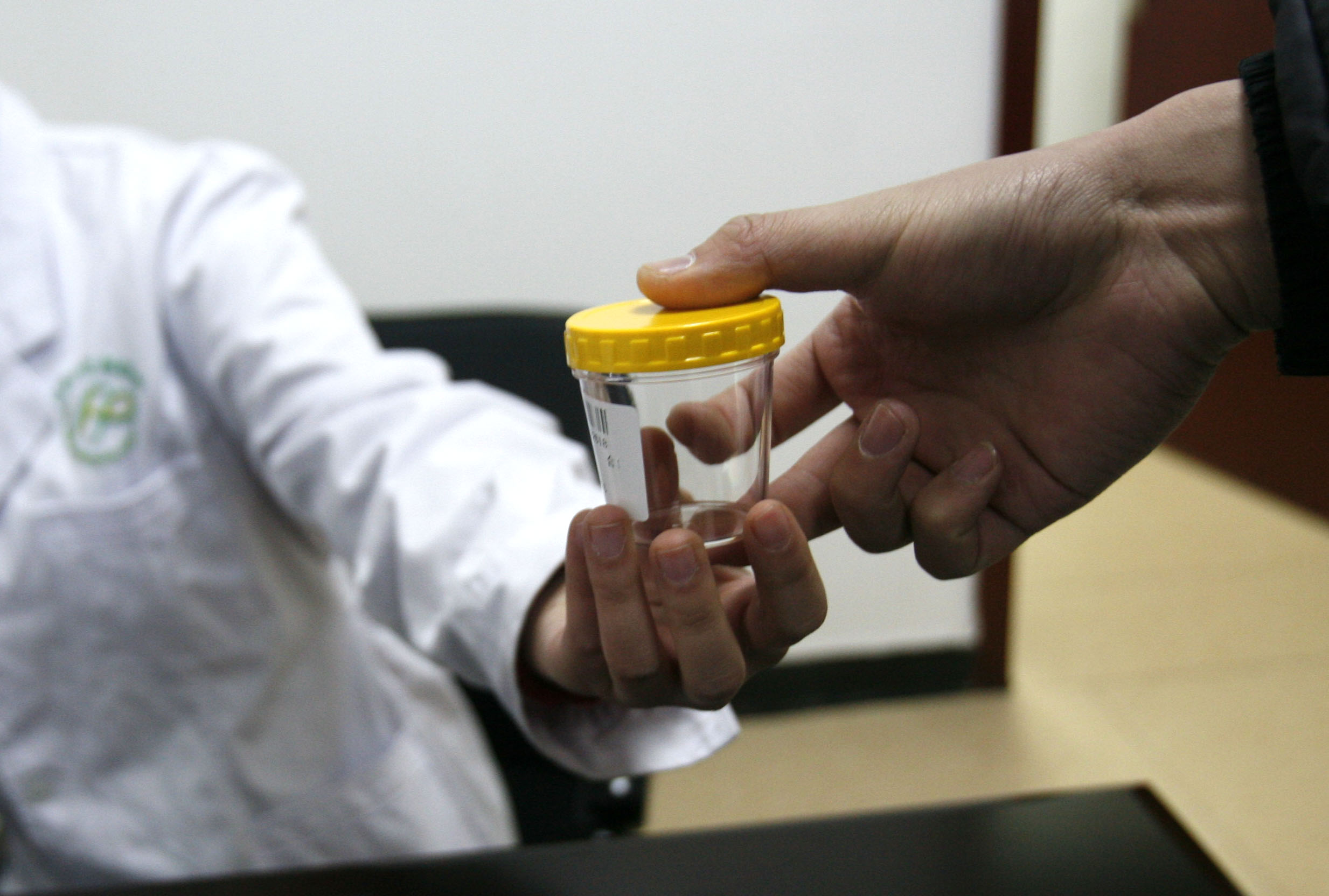
--FILE--A Chinese doctor gives a bottle to a donor to collect sperm at a sperm bank in Shijiazhuang city, north Chinas Hebei province, 30 December 2011. Beijing faces a shortage of sperm donors, with couples having to wait up to two years for fertility treatment at the capitals only sperm bank. The problem is too few donors are coming forward, said a researcher surnamed Zhao at Beijings sperm bank in Haidian district, which is run by the Research Institute of National Population and Family Planning Commission. The sperm bank receives 20 donors a day at most, but normally fewer than 10. Many people started to question the safety of sperm donation after a medical student from Wuhan, Hubei Province, died at a sperm bank shortly after making a donation in February 2011. According to the regulations set by Ministry of Health, only healthy men between 22 and 45 years old can donate sperm once in their lifetime. Foreign people and gay men are not allowed to donate sperm in China, Zhao said without giving any further explanation. Experts have claimed that it is completely safe to donate sperm. A professor pointed out that supply cannot keep up with demand because donating sperm is still a very sensitive topic for Chinese people, instead of people thinking it is dangerous to give the donation. The main problem facing sperm donation is confidentiality. We have to keep the source of the sperm a secret, otherwise it may cause social problems, said Chen Zhenwen from the research institute of the family planning commission. Beijings sperm shortage reflects a nationwide issue, after a family planning official in Guangdong Province appealed for more donors to do their civic duty. China has only 22 sperm banks, and more than 10 percent of couples experience infertility, the director of a sperm bank in Jiangxi Province said.No Use China. No Use France.
 Ενημερώσου πρώτα από ΤΑ ΝΕΑ


 2 λεπτά
Η Εθνική Αρχή Ιατρικώς Υποβοηθούμενης Αναπαραγωγής (ΕΑΙΥΑ), στο πλαίσιο των αρμοδιοτήτων της για τη διασφάλιση της ποιότητας και της ασφάλειας των υπηρεσιών Ιατρικώς Υποβοηθούμενης Αναπαραγωγής, εξέδωσε ανακοίνωση με οδηγίες προς τις Μονάδες Ιατρικώς Υποβοηθούμενης Αναπαραγωγής (ΜΙΥΑ) και τις Τράπεζες Κρυοσυντήρησης (ΤΚ).
Σύμφωνα με τα επίσημα στοιχεία και την ενημέρωση που έλαβε η Αρχή κατόπιν σχετικού ευρήματος, στη Δανία ο υποχρεωτικός γενετικός έλεγχος για τη Νωτιαία Μυϊκή Ατροφία (Spinal Muscular Atrophy – SMA, γονίδιο SMN1) εντάχθηκε στο εθνικό πρόγραμμα ελέγχου δοτών από το 2023 και μετά.
Ως εκ τούτου, σπέρμα που προέρχεται από την Ευρωπαϊκή Τράπεζα Σπέρματος (ESB) και έχει καταψυχθεί πριν από το 2023, δεν έχει υποβληθεί στον υποχρεωτικό έλεγχο για SMA (γονίδιο SMN1).
Οδηγίες προς τις ΜΙΥΑ και τις Τράπεζες Κρυοσυντήρησης
Η ΕΑΙΥΑ καλεί τις ΜΙΥΑ και τις ΤΚ να λάβουν υπόψη τους την παραπάνω πληροφορία κατά τον σχεδιασμό και την εφαρμογή θεραπευτικών διαδικασιών. Παράλληλα, ζητεί να ενσωματώνουν τη σχετική ενημέρωση στο πλαίσιο της γενετικής συμβουλευτικής προς τα ζευγάρια.
Επιπλέον, η Αρχή υπογραμμίζει την ανάγκη επαρκούς ενημέρωσης των ενδιαφερομένων για τον πιθανό γενετικό κίνδυνο, σε περιπτώσεις χρήσης σπέρματος που έχει καταψυχθεί πριν το 2023 και δεν συνοδεύεται από έλεγχο για SMA.
Η ανακοίνωση της ΕΑΙΥΑ αποσκοπεί στη διασφάλιση της πλήρους και τεκμηριωμένης πληροφόρησης των ζευγαριών, σύμφωνα με τις αρχές της καλής ιατρικής πρακτικής, της διαφάνειας και της προστασίας της δημόσιας υγείας.

 Google news